
(ECNS) - Western leaders have stepped up diplomatic and economic engagement with China in recent weeks, signaling a renewed focus on ties with the world's second-largest economy.
Canadian Prime Minister Mark Carney visited Beijing earlier this month and signed multiple cooperation agreements. Speaking in Quebec City after his trip, during which the two countries signed many agreements covering various fields, Carney emphasized that "in a time of rising walls and thickening borders, we demonstrate how a country can be both open and secure, welcoming and strong, principled and powerful."
Carney framed the visit to Beijing as part of a broader strategy to ensure Canada thrives by building independent, mutually beneficial partnerships rather than relying on unstable powers.
Similarly, Finnish Prime Minister Petteri Orpo led a delegation of top business executives to China starting January 25, highlighting their intent to strengthen bilateral trade and investment. Observers noted that European countries are increasingly viewing engagement with China as both pragmatic and essential.
UK Prime Minister Keir Starmer is also preparing a high-level delegation to Beijing this week, marking the first UK prime ministerial visit in eight years.
The Observer, a U.K.-based news outlet cites an unnamed source as saying that "Starmer thinks it was a dereliction of duty by previous prime ministers not to go to China."
The delegation includes senior government officials and business leaders, and the visit is widely seen as a critical moment for setting the tone of Sino-British relations over the next two to three years.
The recent surge of visits to China by leaders from Western countries comes against the backdrop of concerns over unilateral actions by the Trump administration, which have unsettled allies and strained traditional frameworks of cooperation.
At the World Economic Forum in Davos, U.S. President Donald Trump criticized NATO, threatened new tariffs on key allies, and claimed European nations and Canada owed a "debt" to the United States.
European leaders were reportedly taken aback, while former U.S. national security adviser Phil Gordon noted that officials asked him, "Is this America? And is the post-World War II era definitively over — or is there any hope it comes back?"
Such episodes have contributed to Western countries seeking alternative avenues for reliable partnerships, particularly with China.
China's market size, policy stability, and commitment to multilateralism have strengthened its appeal. John Miller-White, executive chairman of the U.S.-China Cooperation Foundation, said, "China demonstrates that a country can develop while contributing ideas and solutions to the world."
At Davos, Chinese representatives outlined commitments to expand domestic demand, accelerate technological innovation, and promote green development, offering opportunities for international partners to participate in high-quality growth.
French President Emmanuel Macron and other European leaders have expressed support for engagement with China, viewing it as a stabilizing force in a turbulent global economy.
The recent surge of visits by Canada, Finland, and the United Kingdom demonstrates that deepening cooperation with China is no longer optional but a central component of Western nations' economic and diplomatic strategy, critics said.
(By Zhang Jiahao)
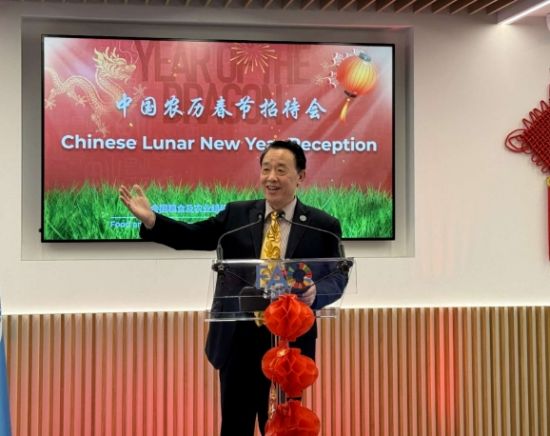
当地时间2月2日晚,联合国粮食及农业组织(粮农组织)在意大利首都罗马粮农组织总部举办中国农历春节招待会。多国驻意外交人员、意大利官员及粮农组织工作人员齐聚一堂,欢庆佳节。
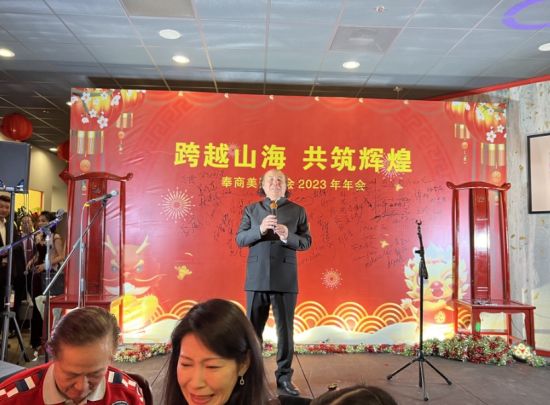
2024年1月31日,奉商美国总会在南加州工业市东北大饭店隆重举行了年会暨龙年新春联欢会,喜迎龙年新春。本次活动充满了浓厚的东北年味,活动内容丰富多彩,包括舞龙、送财神、民族舞蹈、乐器演奏等精彩节目,同时还有东北美食如小鸡炖蘑菇、东北大拉皮、血肠白肉酸菜等供应,让与会者尽情感受传统文化的魅力

目前该艘中国货船已经于29日上午10时完全沉入海底。